- Home
- Blogs
- About
- Services
- Group Companies
- Contact Us
- सुचना *

-
Call Us On:
+977 1 5320150, 5320160 -
Send us a Mail:
info@cargonepal.com.np -
Nepal-India Trade Route Challenges and How Smart Logistics Can Solve Them
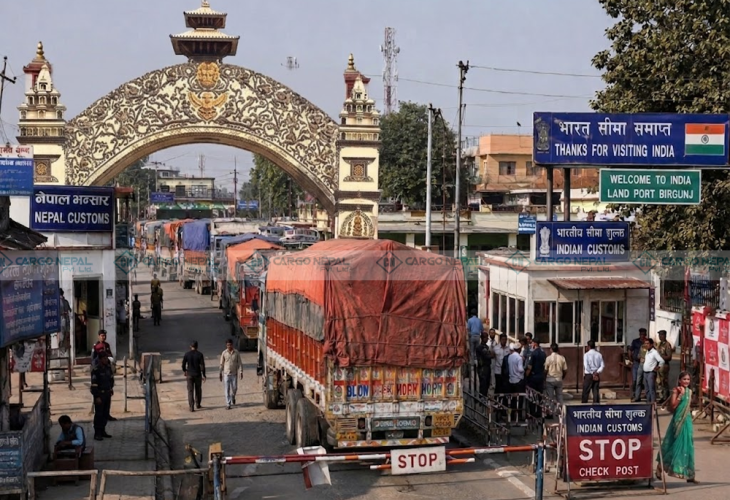
For decades, India has been Nepal's most important trading partner. From daily consumer goods and industrial machinery to raw materials and agricultural products, a significant portion of Nepal's imports and exports moves through the Nepal-India trade route. The close economic relationship between the two countries has created enormous opportunities for businesses, manufacturers, wholesalers, and importers on both sides of the border. Nepal and India have long-standing trade and transit agreements designed to facilitate the movement of goods and support economic cooperation.
However, moving cargo across an international border is rarely as simple as loading a truck and sending it on its way.
Many businesses encounter unexpected delays, rising transportation costs, customs-related issues, documentation errors, border congestion, and supply chain disruptions. These challenges can affect profitability, customer satisfaction, and business growth.
As trade volumes continue to increase, smart logistics has become more important than ever. Businesses that invest in efficient freight management, reliable customs support, digital tracking, and strategic planning are finding ways to overcome obstacles and move goods more efficiently.
In this guide, we will explore the major Nepal-India trade route challenges and examine how modern logistics solutions can help businesses operate more smoothly in today's competitive market.
Why the Nepal-India Trade Route Is So Important
Nepal is a landlocked country and depends heavily on neighboring countries for international trade access. India's transportation network, ports, rail infrastructure, and road connectivity play a critical role in connecting Nepal to global markets. Nepal's trade and transit arrangements with India provide access to agreed routes and transit facilities that are essential for international commerce.
Whether goods are arriving from overseas or being exported from Nepal, a large percentage of shipments pass through India before reaching their final destination.
The trade route supports the movement of:
For businesses operating in Nepal, the efficiency of this route directly affects operational costs and delivery timelines.
Major Challenges Facing the Nepal-India Trade Route
1. Border Congestion and Delays
One of the biggest challenges businesses face is congestion at major border crossings.
As trade volumes grow, trucks often experience long waiting times at customs checkpoints, inspection facilities, and border terminals. Even a small delay can disrupt supply chains and increase transportation costs.
For businesses relying on just-in-time inventory systems, border delays can create serious operational problems.
Common causes include:
When shipments are delayed at the border, businesses may face storage fees, missed deadlines, and dissatisfied customers.
2. Complex Customs Procedures
Customs clearance remains one of the most critical stages of international trade.
Even a minor error in shipping documentation can result in delays, penalties, or additional inspections.
Required documents often include:
Both Nepal and India continue working toward simplifying customs and trade procedures, but compliance requirements still demand careful attention from importers and exporters.
Businesses without proper customs expertise often struggle to navigate these requirements effectively.
3. Rising Logistics Costs
Transportation costs continue to be a concern for many businesses.
Several factors contribute to increasing logistics expenses:
Industry discussions frequently point to Nepal's relatively high logistics costs compared to many neighboring regions.
When transportation becomes expensive, profit margins shrink and products become less competitive in the marketplace.
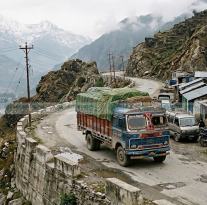
4. Infrastructure Limitations
While significant improvements have been made in recent years, infrastructure challenges still affect cargo movement.
Businesses may encounter:
Cross-border connectivity projects, roads, bridges, rail services, and dry ports continue to improve logistics efficiency, but infrastructure development remains a long-term priority.
For many businesses, transportation planning must account for these limitations.
5. Supply Chain Disruptions
Unexpected events can quickly affect trade routes.
Examples include:
Recent flooding events have demonstrated how vulnerable trade corridors can be when critical infrastructure is damaged, forcing businesses to seek alternative routes.
Companies that lack contingency plans often experience costly disruptions.
6. Documentation Errors
A surprising number of shipment delays occur because of paperwork mistakes.
Common issues include:
Even a small documentation error can hold up cargo for days.
This challenge becomes even greater for businesses that are new to international trade.
7. Lack of Real-Time Visibility
Many businesses still have limited visibility into where their shipments are at any given time.
Without proper tracking systems, companies may struggle to:
Modern supply chains require transparency.
Businesses that cannot monitor shipments effectively often face communication problems and operational inefficiencies.
How Smart Logistics Solves These Challenges
The good news is that modern logistics solutions are helping businesses overcome many of these obstacles.
Let's look at how.
Digital Shipment Tracking
Real-time tracking technology has transformed cargo management.
Businesses can now:
Instead of relying on manual updates, logistics teams can access shipment information instantly.
This improves decision-making and reduces uncertainty throughout the supply chain.
Professional Customs Clearance Support
Experienced customs specialists help businesses avoid costly mistakes.
They assist with:
By ensuring paperwork is completed correctly before cargo reaches the border, businesses significantly reduce clearance delays.
Route Optimization
Smart logistics providers analyze transportation routes to determine the most efficient path.
Factors considered include:
Effective route planning saves both time and money.
It also helps businesses maintain more reliable delivery schedules.
Integrated Freight Solutions
Modern logistics companies combine multiple transportation modes to improve efficiency.
These may include:
The revised rail freight framework between Nepal and India has improved efficiency and competitiveness for many cargo movements, providing additional options for traders.
Integrated logistics strategies help businesses choose the most cost-effective solution for each shipment.
Better Risk Management
Smart logistics involves proactive planning.
Businesses can reduce risks by:
Risk management ensures supply chains remain operational even when unexpected disruptions occur.
Warehouse and Inventory Optimization
Strategic warehousing allows businesses to maintain inventory closer to key markets.
Benefits include:
Smart inventory management also minimizes stock shortages and overstock situations.
Data-Driven Decision Making
Modern logistics platforms generate valuable performance data.
Businesses can analyze:
This information helps organizations continuously improve supply chain performance.
The Future of Nepal-India Trade Logistics
Trade between Nepal and India is expected to continue growing in the coming years.
Governments on both sides are investing in:
There is also increasing emphasis on simplifying customs procedures, improving border facilities, and strengthening transportation networks to support smoother trade flows.
As these improvements continue, businesses that adopt modern logistics practices will be in a stronger position to benefit from expanding trade opportunities.
Why Choosing the Right Logistics Partner Matters
Many of the challenges discussed above cannot be solved by businesses alone.
A reliable logistics partner provides:
Instead of dealing with multiple service providers, businesses can streamline operations through a single logistics partner that understands cross-border trade requirements.
This not only reduces complexity but also improves efficiency across the entire supply chain.
How Cargo Nepal Helps Businesses Navigate Nepal-India Trade Route Challenges
Cross-border trade requires experience, planning, and reliable execution.
At Cargo Nepal, we understand the challenges businesses face when moving goods between Nepal and India. From customs clearance and freight forwarding to shipment tracking and supply chain coordination, our team works to simplify the logistics process and help businesses avoid unnecessary delays.
Whether you are importing machinery, exporting products, transporting commercial cargo, or managing large-scale project shipments, Cargo Nepal provides tailored logistics solutions designed to improve efficiency, reduce costs, and keep your supply chain moving smoothly.
Conclusion
The Nepal-India trade route remains one of the most important economic corridors for Nepali businesses. While opportunities continue to grow, companies must also navigate challenges such as border congestion, customs complexities, rising transportation costs, infrastructure limitations, and supply chain disruptions.
The businesses that succeed are often those that embrace smart logistics.
By leveraging technology, improving planning, optimizing transportation routes, and working with experienced logistics partners, companies can overcome these challenges and create more resilient supply chains.
As trade volumes increase and infrastructure continues to improve, smart logistics will play an even greater role in helping businesses capitalize on opportunities across the Nepal-India trade route.
For businesses looking to move cargo efficiently, reduce operational risks, and improve supply chain performance, investing in the right logistics strategy is no longer optional. It is a necessity for long-term growth and success.