- Home
- Blogs
- About
- Services
- Group Companies
- Contact Us
- सुचना *

-
Call Us On:
+977 1 5320150, 5320160 -
Send us a Mail:
info@cargonepal.com.np -
How to Track Your International Shipment Like a Professional in 2026
International shipping has become faster, smarter, and more transparent than ever before. Whether you are importing goods for your business, sending products to overseas customers, or waiting for an important shipment from another country, knowing exactly where your cargo is can save time, reduce stress, and help you make better business decisions.
In 2026, shipment tracking is no longer limited to checking a tracking number once a day. Modern logistics networks provide real-time visibility, customs updates, estimated arrival times, and automated notifications that help businesses and individuals stay informed throughout the shipping journey. Major logistics providers are investing heavily in advanced tracking technologies, including RFID, GPS integration, and improved supply chain visibility systems.
This guide explains how to track your international shipment like a logistics professional and understand what every tracking update actually means.
International shipments often pass through multiple countries, airports, seaports, customs checkpoints, warehouses, and local delivery networks before reaching their final destination. Every transfer introduces potential delays, making visibility essential. Tracking helps businesses:
· Monitor cargo movement in real time
· Improve customer communication
· Reduce inventory uncertainty
· Anticipate customs delays
· Plan warehouse operations efficiently
· Minimize losses caused by misplaced shipments
For importers and exporters, shipment visibility is no longer a luxury. It is a critical part of supply chain management.
The first requirement for tracking any international shipment is the tracking number.
Depending on the shipping method, this may be:
· Air Waybill (AWB) Number
· Bill of Lading Number
· Courier Tracking Number
· Container Number
· Booking Reference Number
For air freight, the Air Waybill (AWB) serves as the primary tracking reference throughout the shipment journey. The AWB acts as the unique identifier that enables cargo visibility from origin to destination.
Always save your shipment documentation immediately after booking cargo.
The most accurate shipment information usually comes directly from the carrier handling your cargo.
Common international carriers include:
· DHL Express
· FedEx
· UPS
· Aramex
· EMS
· Major airline cargo divisions
· International freight forwarding companies
Most carriers provide online tracking portals where customers can enter an AWB or tracking number to view shipment status updates.
Professional logistics managers generally rely on carrier systems first because they receive updates directly from operational networks.
Many people panic when they see unfamiliar tracking updates. Professionals understand that every status represents a stage in the logistics process.
The carrier has received booking information, but the package may not have been physically collected yet.
The shipment has been collected from the sender.
The cargo has left a warehouse, sorting center, airport, or port.
The shipment is actively moving between locations.
The cargo has entered the destination country's logistics network.
Customs authorities are reviewing shipment documentation.
The shipment has successfully cleared customs and can proceed to delivery.
The final delivery process has begun.
The shipment has reached its destination and delivery has been completed.
Understanding these stages helps prevent unnecessary concerns during normal transit periods.
One of the most misunderstood parts of international shipping is customs clearance.
When cargo crosses international borders, customs authorities may inspect documentation, verify declared values, review duties and taxes, or conduct physical inspections.
During this stage, tracking may display messages such as:
· Customs Clearance Processing
· Held at Customs
· Awaiting Documentation
· Clearance Delay
A customs hold does not automatically mean there is a problem. Many shipments simply require additional processing time before being released.
Professionals regularly monitor customs updates and communicate proactively with freight forwarders when additional documents are required.
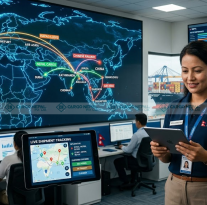
Modern logistics professionals often manage shipments from multiple carriers simultaneously.
Instead of visiting separate websites, they use universal tracking platforms that automatically identify carriers and consolidate shipment information.
These systems can support thousands of global logistics providers and offer:
· Carrier auto-detection
· Shipment history
· Delivery estimates
· Transit milestones
· Multi-carrier tracking dashboards
Universal tracking platforms have become increasingly popular for international e-commerce and freight forwarding operations.
In 2026, there is little reason to manually refresh tracking pages all day.
Most logistics platforms allow users to receive:
· Email alerts
· SMS notifications
· Mobile app updates
· Delivery confirmations
Automatic notifications help businesses respond quickly to delays and keep customers informed without constant manual monitoring.
One of the biggest mistakes inexperienced shippers make is assuming a shipment is lost because tracking has not updated for several days.
International logistics involves multiple handoffs between carriers, airports, customs authorities, and delivery partners. Tracking gaps are common and often occur while cargo is moving between networks.
Before escalating a delay, consider:
· Public holidays
· Weekend closures
· Customs inspections
· Flight cancellations
· Port congestion
· Weather disruptions
Professionals evaluate the entire shipping route before concluding that a shipment is missing.
Ocean freight tracking differs from parcel tracking.
For sea cargo, you may track:
· Container Number
· Bill of Lading Number
· Vessel Name
· Voyage Number
Key milestones include:
· Container Loaded
· Vessel Departure
· Transshipment Port Arrival
· Vessel Arrival
· Container Discharge
· Customs Clearance
· Final Delivery
Because maritime transport handles the majority of global trade volume, understanding container tracking is essential for importers and exporters.
Freight forwarders often have access to tracking systems beyond what customers see online.
A professional freight forwarding company can provide:
· Shipment milestones
· Customs updates
· Documentation support
· Delivery forecasts
· Exception management
When tracking information appears unclear, your freight forwarder should be your first point of contact.
Professionals know how to identify warning signs early.
Potential concerns include:
· Tracking number not recognized after several days
· Repeated customs delays
· Conflicting tracking updates
· Missing delivery scans
· Extended inactivity beyond expected transit times
Community discussions frequently show that unrecognized tracking numbers can sometimes result from incorrect shipment information or delays before the carrier performs its first scan.
If these issues occur, contact your logistics provider immediately.
The logistics industry is undergoing a major transformation.
Advanced technologies now provide:
· Near real-time shipment visibility
· RFID-enabled tracking
· Predictive arrival estimates
· Smart route optimization
· Automated exception alerts
Major logistics companies continue investing in systems that reduce visibility gaps and improve shipment accuracy throughout the supply chain.
These innovations help businesses make faster decisions and improve customer satisfaction.
To track shipments professionally, businesses should:
1. Store all shipment references securely.
2. Monitor cargo through official carrier systems.
3. Use multi-carrier tracking tools.
4. Enable automated notifications.
5. Maintain communication with freight forwarders.
6. Prepare customs documents accurately.
7. Review shipment performance regularly.
8. Act quickly when exceptions occur.
Companies that follow these practices experience fewer delays and greater supply chain visibility.
Choosing the right freight forwarding partner can make a significant difference in the success of your international shipments. Cargo Nepal Pvt. Ltd. has established itself as a trusted logistics provider in Nepal by offering reliable, transparent, and customer-focused freight solutions since 2015.
Here are some reasons why businesses choose Cargo Nepal Pvt. Ltd.:
Cargo Nepal has built strong partnerships and affiliate networks across major international trade hubs, enabling efficient cargo movement worldwide.
From air freight and ocean freight to customs brokerage, project shipments, inland haulage, and logistics consulting, Cargo Nepal provides end-to-end logistics services tailored to different business needs.
The company operates under internationally recognized quality management standards, ensuring consistent service quality, operational efficiency, and customer satisfaction.
Cargo Nepal's Managing Director is a licensed customs agent, providing valuable expertise in customs clearance procedures and helping clients avoid unnecessary delays during imports and exports.
Its team consists of experienced professionals with backgrounds in freight forwarding, airlines, shipping, and supply chain management, allowing clients to benefit from industry knowledge and practical solutions.
Cargo Nepal focuses on timely updates, clear communication, and proactive customer support, helping clients stay informed throughout the shipping process.
The company is a member of recognized logistics organizations and networks, including WCA World and the Nepal Freight Forwarders Association, strengthening its global reach and operational reliability.
Whether you are shipping a small parcel, commercial cargo, project equipment, or large-scale imports and exports, Cargo Nepal develops logistics solutions based on your specific requirements.
Cargo Nepal follows international best practices and quality standards to ensure safe, efficient, and compliant cargo handling throughout the supply chain.
Over the years, Cargo Nepal has earned the trust of importers, exporters, retailers, manufacturers, and global corporations through reliable service and a customer-first approach.
Conclusion
In today's fast-moving global trade environment, effective shipment tracking is no longer optional. It is a crucial part of managing imports, exports, customer expectations, and overall supply chain performance. With modern tracking technologies, automated notifications, and improved visibility tools, businesses can monitor cargo movements more accurately and respond quickly to potential delays.
However, technology alone is not enough. Successful international shipping also requires the support of an experienced logistics partner who understands customs procedures, documentation requirements, and global transportation networks. Established in 2015, Cargo Nepal Pvt. Ltd. provides comprehensive freight forwarding solutions, including air freight, ocean freight, customs brokerage, project shipments, inland haulage, and logistics consulting services. The company is ISO 9001:2015 certified and operates through a strong international network, helping businesses move goods efficiently across global markets.
Whether you are importing commercial goods, exporting products worldwide, or managing a growing supply chain, partnering with Cargo Nepal Pvt. Ltd. can help you gain better shipment visibility, reduce logistics challenges, and ensure smoother cargo movement from origin to destination. By combining professional expertise with modern tracking solutions, Cargo Nepal continues to help businesses stay connected to the global marketplace with confidence.