- Home
- Blogs
- About
- Services
- Group Companies
- Contact Us
- सुचना *

-
Call Us On:
+977 1 5320150, 5320160 -
Send us a Mail:
info@cargonepal.com.np -
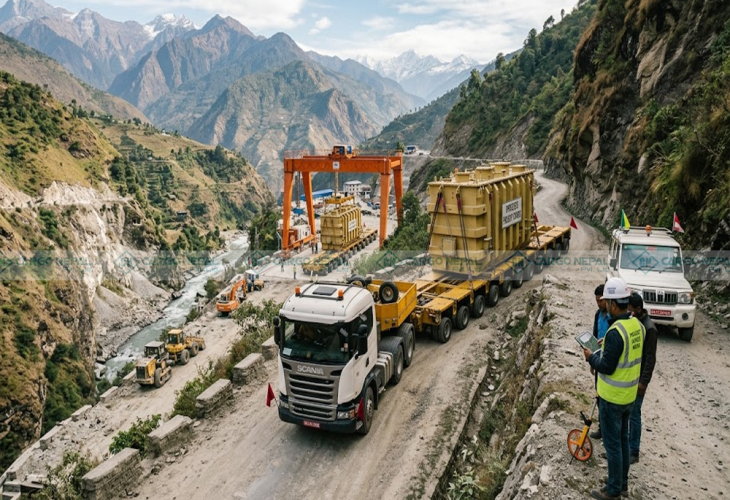
How Cargo Nepal Handles Complex Project Cargo for Hydropower and Infrastructure Development
Introduction
Nepal is in the middle of an infrastructure transformation. New hydropower projects are being developed across the country, transmission lines are expanding into remote regions, roads are connecting previously isolated communities, and major construction projects are reshaping the nation’s future.
While these developments are often associated with engineers, contractors, and investors, there is another critical factor behind every successful project: logistics.
Before a hydropower plant can generate electricity, its turbines, generators, transformers, and other essential equipment must reach the project site safely. Before a bridge can be constructed, steel structures and heavy machinery must be transported. Before a road project can begin, excavators, bulldozers, and construction equipment must arrive on time.
This is where Cargo Nepal plays a vital role. Since its establishment in 2015, Cargo Nepal has been providing specialized freight forwarding, customs clearance, project cargo management, warehouse solutions, and transportation services to support Nepal’s growing infrastructure sector.
Understanding Project Cargo
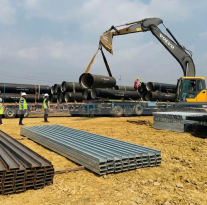
Project cargo refers to the transportation of large, heavy, valuable, or oversized equipment that cannot be moved through standard shipping methods.
Unlike regular cargo shipments, project cargo requires extensive planning, engineering support, route surveys, permit coordination, customs documentation, and specialized transportation equipment. Typical project cargo includes:
Because these items are often expensive and essential for project completion, there is little room for error during transportation.
Why Logistics Is Critical for Hydropower Development
Hydropower remains one of Nepal's most important economic sectors. Hundreds of projects are either operating, under construction, or in various stages of planning throughout the country. These projects depend heavily on imported equipment sourced from countries such as India, China, Germany, Japan, and South Korea.
Getting this equipment to Nepal is only the beginning.
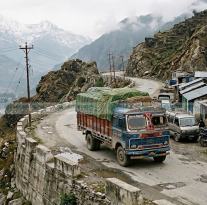
Many hydropower sites are located in remote mountain valleys where road access is limited. Heavy machinery often needs to travel through narrow highways, steep slopes, fragile bridges, and challenging terrain before reaching its final destination.
A delay in the arrival of a turbine or transformer can affect the entire project schedule. Contractors may be forced to pause work, project costs can increase, and commissioning dates may be pushed back.
Professional logistics management helps reduce these risks and keeps projects moving according to plan.
Cargo Nepal's Approach to Complex Project Cargo
Successfully handling project cargo requires much more than arranging transportation. Every shipment demands a customized strategy.
Cargo Nepal follows a structured process that focuses on planning, coordination, safety, and execution.
1. Detailed Project Assessment
Every project begins with a comprehensive evaluation of the cargo.
The logistics team studies:
This initial assessment helps identify potential challenges before transportation begins. Proper planning at this stage significantly reduces operational risks later in the project.
2. International Freight Coordination
Most hydropower and infrastructure equipment arrives from overseas manufacturers.
Cargo Nepal coordinates international transportation through:
Managing multiple suppliers across different countries can be complicated. By acting as a central logistics coordinator, Cargo Nepal helps project developers simplify procurement and transportation processes.
3. Customs Clearance Expertise
Customs clearance is one of the most important stages of any project shipment.
Infrastructure projects often involve dozens or even hundreds of separate shipments arriving over several months. Each shipment requires proper documentation and compliance with customs regulations.
Cargo Nepal assists with:
The company's management also includes licensed customs expertise, helping clients navigate complex import requirements more efficiently.
4. Route Surveys and Feasibility Studies
One of the biggest challenges in Nepal is transportation infrastructure.
Not every road can accommodate oversized cargo. Before moving heavy equipment, Cargo Nepal conducts route surveys to evaluate:
These studies help determine the safest and most practical transportation route while minimizing delays and unexpected complications.
5. Heavy Equipment Transportation
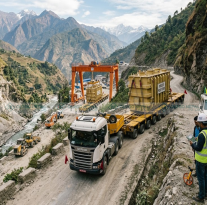
Transporting oversized machinery through Nepal's terrain requires specialized equipment and experienced personnel.
Cargo Nepal manages transportation for:
Every movement is carefully coordinated to ensure safety, regulatory compliance, and on-time delivery.
Overcoming Nepal's Geographic Challenges
Nepal offers unique logistics challenges that few countries experience on the same scale.
Mountainous Terrain
Many project locations are situated in difficult-to-access regions. Transporting equipment through winding mountain roads demands detailed planning and experienced logistics management.
Seasonal Weather Risks
Monsoon rains, floods, landslides, and road closures can significantly affect transportation schedules.
Cargo Nepal incorporates contingency planning into project logistics strategies to reduce disruptions during adverse weather conditions.
Landlocked Transportation Dependencies
As a landlocked country, Nepal depends heavily on international transit routes and neighboring ports. Coordinating shipping lines, customs authorities, transport operators, and project stakeholders requires extensive experience and strong communication.
Supporting Infrastructure Beyond Hydropower
Although hydropower projects represent a major portion of project cargo activities, Cargo Nepal also supports a wide range of infrastructure sectors.
Road Construction
Road projects require heavy machinery such as excavators, bulldozers, asphalt plants, and crushers. Timely equipment delivery is essential to keep construction schedules on track.
Bridge Construction
Bridge projects involve large steel structures, engineering equipment, and specialized construction materials. Efficient logistics coordination helps prevent costly delays during construction phases.
Transmission Line Expansion
As Nepal expands its energy network, the transportation of transformers, electrical towers, conductors, and substation equipment has become increasingly important. Cargo Nepal helps ensure these critical components reach project sites safely and efficiently.
A Real Example of Complex Project Cargo
One example that demonstrates Cargo Nepal's capabilities involved transporting Tunnel Boring Machine (TBM) components and heavy drilling equipment from the Sunkoshi Marin Diversion Project in Sindhuli to the 285 MW Upper Tamor Hydropower Project in Taplejung.
This operation required:
Successfully completing such a movement highlights the level of expertise required for large-scale infrastructure logistics in Nepal.
Why Project Developers Choose Cargo Nepal
Project developers need more than a transportation provider. They need a logistics partner capable of managing every stage of the supply chain.
Cargo Nepal offers:
Its global logistics network, experienced team, and ISO 9001:2015 certification further strengthen its ability to support complex projects across Nepal.
Conclusion
Infrastructure development is not only about engineering and construction. It is also about ensuring that the right equipment reaches the right place at the right time.
From hydropower turbines and transformers to bridge components and heavy construction machinery, project cargo requires specialized expertise, careful planning, and flawless execution.
Through comprehensive freight forwarding, customs clearance, route planning, heavy transportation, and end-to-end project logistics management, Cargo Nepal continues to support Nepal's growing hydropower and infrastructure sectors. As investment in energy, transportation, and industrial development continues to increase, professional project cargo solutions will remain a key factor in the successful delivery of major projects across the country.