- Home
- Blogs
- About
- Services
- Group Companies
- Contact Us
- सुचना *

-
Call Us On:
+977 1 5320150, 5320160 -
Send us a Mail:
info@cargonepal.com.np -
From the Himalayas to the World: How Cargo Nepal Helps You Ship Globally and Sustainably
Nepal isn't the first place most people think of when they picture global trade routes. Landlocked, mountainous, and famous for the tallest peaks on Earth, it seems an unlikely Launchpad for international shipping. Yet that's exactly what makes Cargo Nepal's story worth telling. This is a company built around solving the puzzle of moving goods out of a challenging terrain, and doing it in a way that doesn't cost the planet along the way.
Whether you're a small business owner in Kathmandu sending handmade pashmina shawls to a boutique in Paris, or a family shipping personal belongings to relatives abroad, the logistics behind that journey are more complex than most people realize. Cargo Nepal has built its reputation on making that journey smoother, faster, and greener, proving that sustainable shipping doesn't have to come at the expense of convenience.
Why Shipping From Nepal Is a Different Kind of Challenge
Before diving into what Cargo Nepal does well, it helps to understand what it's actually up against. Shipping from Nepal isn't like shipping from a coastal hub with a deep water port sitting right outside the city. Nepal has no direct access to the sea, which means every international shipment has to travel overland before it even reaches a port.
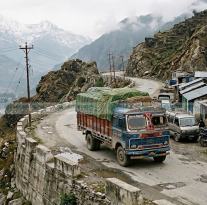
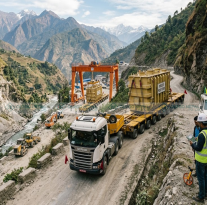
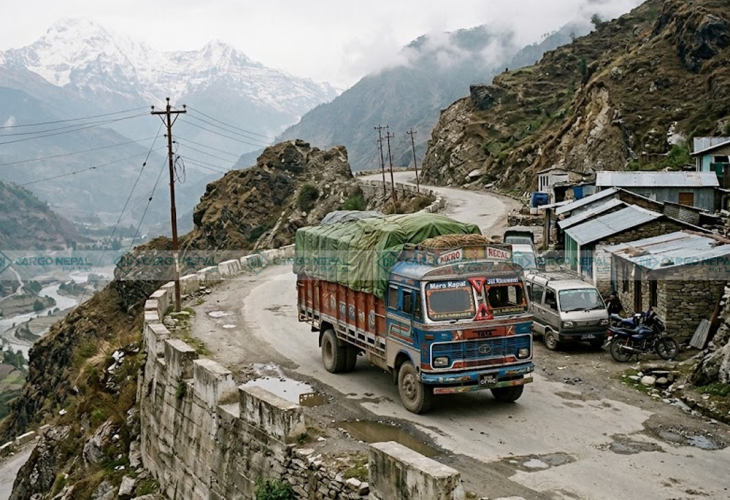
The mountains themselves are the first obstacle. Roads winding through the Himalayan foothills are often narrow, prone to landslides during monsoon season, and simply slower than the flat highways logistics companies enjoy in other parts of the world. A shipment leaving a workshop in a remote valley might spend hours just reaching a main road, long before it gets anywhere near an airport or a border crossing.
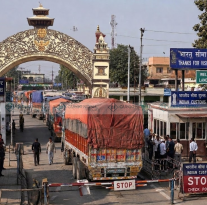
Then there's the matter of borders. Most cargo leaving Nepal has to cross into India first, heading toward ports like Kolkata, before it can catch an ocean vessel bound for international destinations. That means dealing with customs procedures in two countries, coordinating paperwork across borders, and navigating the kind of bureaucratic back and forth that can turn a simple shipment into an ordeal lasting weeks if it's not managed properly.
Limited air cargo capacity is another piece of the puzzle. Tribhuvan International Airport in Kathmandu handles a fraction of the cargo volume of major regional hubs, so air freight space can be tight, and prices can swing depending on demand and season.
Add to this the seasonal weather patterns, including monsoon rains, winter fog, and occasional road closures, and it's easy to see why shipping reliably out of Nepal takes more than just booking a courier and hoping for the best. It takes local knowledge, strong relationships with carriers, and a logistics network built specifically to handle these quirks.
How Cargo Nepal Turns These Challenges Into Strengths
This is where Cargo Nepal earns its stripes. Rather than treating Nepal's geography as a limitation, the company has built its entire operating model around it.
Deep Local Knowledge, Applied Globally
Cargo Nepal's teams know the terrain, quite literally. They understand which routes are reliable in different seasons, which border crossings tend to move fastest, and how to time shipments so they avoid unnecessary delays. This kind of firsthand insight is hard to replicate for a large multinational carrier that treats Nepal as just one dot on a much bigger map. For Cargo Nepal, Nepal isn't an afterthought; it's home turf.
Coordinating Across Multiple Modes of Transport
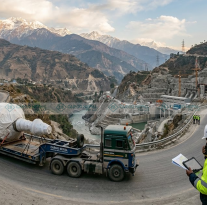
Because no single mode of transport can carry a shipment from a Kathmandu workshop all the way to a customer in Berlin or Toronto, Cargo Nepal coordinates across road, air, and sea freight. A parcel might start its journey by truck, connect to an international flight, or move via a shipping container from an Indian port, all coordinated so that handoffs happen smoothly and nothing sits idle in a warehouse longer than it needs to.
Streamlined Customs Handling
Rather than leaving customers to untangle the paperwork themselves, Cargo Nepal manages documentation and customs clearance on both sides of the border. This reduces the chances of shipments getting stuck, and it takes a genuinely stressful part of international shipping off the shoulders of the people sending the goods.
Real Communication, Real Tracking
Uncertainty is often the most frustrating part of shipping internationally from a place like Nepal. Cargo Nepal addresses this with clear tracking and responsive customer support, so senders and recipients aren't left guessing whether a package is sitting in a warehouse, crossing a border, or somewhere over the ocean.
The Eco Friendly Difference
Here's where Cargo Nepal separates itself from a typical logistics provider. Global shipping, by its nature, has a real environmental footprint, from fuel heavy transport to excess packaging to inefficient routing that burns more fuel than necessary. Cargo Nepal has made a conscious decision to chip away at that footprint wherever it can, rather than treating sustainability as an afterthought or a marketing slogan.
Smarter Route Planning
One of the simplest but most effective ways to cut emissions in shipping is to avoid wasted movement. Cargo Nepal focuses on consolidating shipments and planning routes that minimize unnecessary trips, idle time, and detours. Fewer trucks running the roads only partly full, and fewer redundant legs in a shipment's journey, mean less fuel burned overall.
Favoring Lower Emission Transport Where Possible
Not every shipment needs to fly. Air freight is fast, but it's also one of the most carbon intensive ways to move goods. For shipments where speed isn't the top priority, Cargo Nepal steers customers toward sea and road freight combinations that dramatically cut emissions compared to air only routes, without asking customers to compromise on reliability.
Sustainable Packaging Practices
Excess packaging is one of the quieter environmental costs of global shipping, from mountains of plastic wrap to oversized boxes to filler material that can't be recycled. Cargo Nepal emphasizes properly sized packaging and encourages the use of recyclable and biodegradable materials, reducing landfill waste at both ends of a shipment's journey.
Supporting Local, Small Scale Producers
There's an environmental angle here that's easy to overlook: much of what leaves Nepal through Cargo Nepal isn't mass produced factory goods. It's handwoven textiles, handcrafted jewelry, artisan goods, and small batch products made by local producers and cooperatives. Supporting these small, low impact production chains, rather than high volume industrial manufacturing, is itself a quieter form of sustainability, one that keeps traditional crafts and local economies alive while limiting the kind of overproduction that burdens the planet.
The Real Benefits of Choosing Eco Conscious Shipping
Choosing a greener shipping option isn't just a feel good decision anymore; it's becoming a genuinely practical one, for a few solid reasons.
Lower environmental impact, measurably so. Every shipment that avoids an unnecessary flight, or that travels in a properly filled container instead of one running mostly empty, adds up. Multiply that across thousands of shipments, and the cumulative reduction in carbon emissions becomes significant.
Alignment with customer values. Increasingly, buyers, especially in markets like Europe and North America, are paying attention to how the products they order actually reach them. A business that can honestly say its shipping partner prioritizes sustainability has a genuine story to tell, one that resonates with environmentally conscious customers.
Reduced waste, lower costs. Smarter packaging and consolidated shipments aren't just good for the planet; they also tend to reduce material costs and, in many cases, shipping costs too. Sustainability and efficiency often walk hand in hand.
Long term reliability. Logistics providers who think carefully about efficient routing and resource use tend to build more resilient operations overall. A company that isn't wasteful with fuel, packaging, or handling time is often a company that's also better at avoiding delays and disruptions.
Supporting a more ethical global supply chain. Choosing eco friendly shipping from a place like Nepal also means supporting a supply chain that values the people and communities producing the goods, not just the speed at which they arrive.
What Cargo Nepal Actually Offers
Stepping back from the philosophy of it all, here's a look at the practical services that make Cargo Nepal a genuine option for anyone needing to ship from Nepal to the rest of the world.
This range of services means Cargo Nepal isn't just useful for one type of customer. It works for the artisan exporting handmade goods, the student sending personal items overseas, and the growing number of online sellers trying to reach international customers without getting buried in logistics headaches.
A Growing Role in Nepal's Global Trade Story
Nepal's export economy has long leaned on a handful of well known categories: handicrafts, textiles, carpets, tea, and increasingly, niche goods like organic products and specialty foods. As more small businesses and independent sellers in Nepal look to reach customers abroad, whether through online marketplaces, direct sales, or wholesale partnerships, the demand for dependable, affordable, and environmentally responsible shipping has grown right alongside it.
Cargo Nepal sits at an interesting intersection here. It's not just a logistics company; it's part of the infrastructure that lets Nepali entrepreneurs compete on a global stage without needing to understand the intricacies of international freight themselves. That accessibility matters. A weaver in Bhaktapur or a coffee cooperative in the hills doesn't need to become a shipping expert to sell internationally. They need a partner who already is one.
Looking Ahead: Sustainability as the Standard, Not the Exception
The logistics industry as a whole is shifting. Shipping with a lighter carbon footprint, once a niche selling point, is steadily becoming an expectation rather than a bonus feature. Companies like Cargo Nepal that have built sustainability into their operations early are well positioned for where the industry is heading, rather than scrambling to catch up later.
For a country defined by some of the most dramatic and challenging terrain on the planet, there's something fitting about a shipping company that has learned to work with the landscape instead of against it, finding efficient routes through the mountains, minimizing waste at every step, and treating environmental responsibility as part of doing business well, not as an added cost.
Final Thoughts
Shipping from Nepal will probably never be as simple as shipping from a major coastal city with a port next door. The mountains aren't going anywhere, and the logistical puzzle they create is real. But Cargo Nepal has shown that those challenges can be met with the right combination of local expertise, smart planning, and a genuine commitment to doing things sustainably.
For anyone looking to ship goods from Nepal to the world, whether that's a single parcel or a full container of goods, choosing a partner who understands both the terrain and the importance of eco-friendly logistics makes the entire process smoother, more reliable, and a little easier on the planet. That's the quiet promise behind Cargo Nepal: proving that even from the roof of the world, sustainable global shipping is not just possible, but already happening.