- Home
- Blogs
- About
- Services
- Group Companies
- Contact Us
- सुचना *

-
Call Us On:
+977 1 5320150, 5320160 -
Send us a Mail:
info@cargonepal.com.np -
Nepal-China Trade Opportunities in 2026: Key Trends, Growing Industries, and Business Potential
Introduction
Trade between Nepal and China has evolved considerably over the past decade. What was once viewed primarily as a supplementary trade relationship has now become one of Nepal's most important economic partnerships. As businesses look toward new markets, more competitive sourcing options, and greater supply chain resilience, China continues to play a critical role in Nepal's commercial landscape.
In 2026, the opportunities arising from Nepal-China trade are expected to be broader than ever before. Improvements in transportation networks, growing business confidence, technological advancements, and increased regional connectivity are creating an environment where companies of all sizes can benefit from cross-border trade.
For importers, exporters, manufacturers, retailers, and logistics providers, understanding these opportunities is essential for long-term growth and competitiveness.
Understanding the Nepal-China Trade Relationship
China has become one of Nepal's largest trading partners and a significant source of imported goods. From industrial machinery and construction materials to electronics, renewable energy equipment, and consumer products, Chinese products have become deeply integrated into Nepal's economy.
The relationship extends beyond simple import-export transactions. It includes infrastructure cooperation, investment opportunities, technological exchange, and growing business-to-business partnerships.
As both countries continue to strengthen economic ties, businesses are finding new opportunities to expand operations, reduce sourcing costs, and access new markets.
Why 2026 Could Be a Significant Year for Nepal-China Trade
Several factors make 2026 an important year for businesses involved in cross-border commerce.
First, companies worldwide are increasingly seeking supply chain diversification. Many businesses that previously relied on a limited number of suppliers are now exploring broader sourcing options to improve resilience and manage risk.
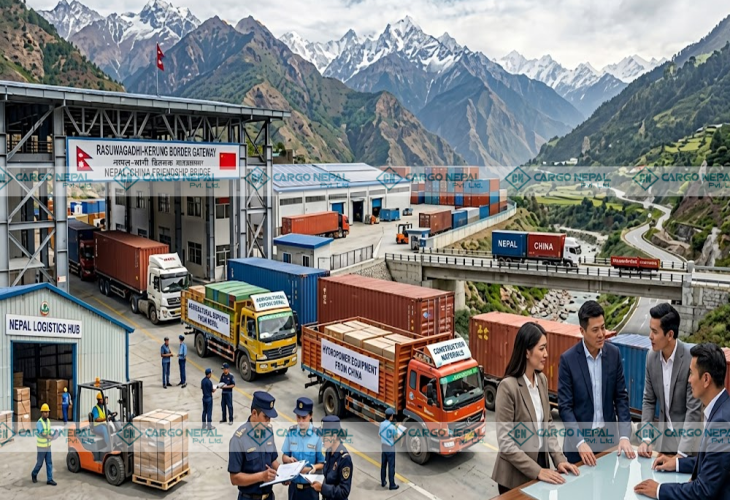
Second, regional trade connectivity continues to improve. Better transportation infrastructure, upgraded border facilities, and modern logistics systems are helping reduce delays and improve efficiency.
Third, demand for imported products remains strong across numerous sectors in Nepal. As consumer expectations rise and industries continue to modernize, the need for reliable international supply chains is growing.
These developments create favorable conditions for businesses willing to explore opportunities in China-Nepal trade.
Key Infrastructure Developments Supporting Trade
Infrastructure plays a major role in the success of international trade. Efficient transportation networks help reduce costs, improve reliability, and increase competitiveness.
Several developments are helping strengthen trade between Nepal and China:
Improved Border Facilities
Modern border infrastructure can significantly reduce processing times and improve cargo movement efficiency. Investments in customs facilities and logistics centers are helping streamline cross-border trade operations.
Better Road Connectivity
Improved transportation corridors allow goods to move more efficiently between border points and major commercial centers throughout Nepal.
Enhanced Logistics Networks
The logistics industry continues to invest in technology, warehousing, tracking systems, and transportation solutions that improve supply chain visibility and reliability.
Growing Multimodal Transportation Options
Businesses increasingly have access to combinations of road, rail, air, and sea transportation solutions, allowing greater flexibility in managing shipments.
These developments create a stronger foundation for future trade growth.
Growing Industries Driving Trade Opportunities
Several industries are expected to contribute significantly to Nepal-China trade growth in 2026.
Construction and Infrastructure
Nepal's ongoing infrastructure development requires a steady supply of construction materials, machinery, equipment, and technology.
Chinese manufacturers continue to provide competitive options for:
As development projects continue across the country, demand in this sector is expected to remain strong.
Renewable Energy
Renewable energy represents one of the most promising growth areas.
Demand is increasing for:
Businesses involved in energy projects can benefit from China's extensive manufacturing capabilities and technological expertise.
Consumer Electronics
Consumer demand for electronics continues to grow.
Popular categories include:
The rapid pace of technological innovation makes this sector particularly dynamic.
Manufacturing and Industrial Equipment
Nepalese manufacturers increasingly seek modern machinery and equipment to improve productivity and competitiveness.
Imports often include:
Access to these technologies can help local businesses expand production capabilities and improve operational efficiency.
Automotive and Electric Vehicles
The automotive sector continues to evolve rapidly.
Growing demand exists for:
As sustainability becomes a greater priority, this sector offers considerable potential for future growth.
Opportunities for Nepalese Importers
Importers remain among the biggest beneficiaries of Nepal-China trade.
Access to Competitive Pricing
Chinese manufacturers often offer economies of scale that help businesses source products at competitive prices.
Product Variety
Businesses can access an enormous range of products across virtually every industry.
Manufacturing Capabilities
China's advanced manufacturing ecosystem enables companies to source both standard products and customized solutions.
Scalability
Businesses can often increase order volumes as demand grows without significantly changing suppliers or sourcing strategies.
For many Nepalese companies, these advantages provide opportunities to improve profitability and strengthen market position.
Opportunities for Nepalese Exporters
While imports dominate the trade relationship, export opportunities also deserve attention.
Nepalese exporters can explore opportunities in areas such as:
Agricultural Products
Specialty agricultural products may find niche markets among Chinese consumers.
Handicrafts
Traditional Nepalese handicrafts continue to attract international interest.
Herbal and Natural Products
Natural products and wellness-related goods have growing global demand.
Tourism-Related Products
Items associated with Nepal's cultural heritage and tourism sector may appeal to broader markets.
Success often depends on product quality, branding, compliance, and effective market research.
The Rise of E-Commerce and Digital Trade
E-commerce is transforming global trade, and Nepal is no exception.
Digital platforms allow businesses to:
Small and medium-sized enterprises can now access international markets more easily than ever before.
The growth of online commerce also creates new opportunities for logistics providers, warehousing operators, and supply chain specialists.
As digital adoption continues to increase, businesses that embrace technology will likely gain competitive advantages.
Logistics and Supply Chain Considerations
Even the most promising trade opportunities require efficient logistics management.
Successful importers and exporters pay close attention to:
Transportation Planning
Choosing the right transportation mode affects cost, speed, and reliability.
Customs Compliance
Proper documentation and regulatory compliance help prevent delays and unnecessary expenses.
Inventory Management
Effective inventory planning reduces carrying costs while maintaining product availability.
Risk Management
Businesses should prepare for potential disruptions through contingency planning and diversified sourcing strategies.
Partner Selection
Reliable logistics and freight forwarding partners play a crucial role in maintaining smooth operations.
Strong supply chain management often becomes a competitive advantage rather than simply an operational necessity.
Challenges Businesses Should Prepare For
While opportunities are significant, businesses must also understand potential challenges.
Regulatory Requirements
International trade involves compliance with various customs, taxation, and documentation requirements.
Transportation Disruptions
Weather conditions, infrastructure issues, and operational delays can affect shipment schedules.
Currency Fluctuations
Exchange rate movements can influence profitability.
Market Competition
As opportunities grow, competition often increases as well.
Supply Chain Complexity
Managing international sourcing requires coordination across multiple stakeholders.
Businesses that proactively address these challenges are better positioned for long-term success.
Practical Strategies for Businesses Entering China-Nepal Trade
Companies interested in expanding cross-border trade should consider several practical steps.
Conduct Thorough Market Research
Understanding demand, pricing, competition, and customer preferences is essential.
Build Strong Supplier Relationships
Reliable supplier partnerships contribute to product quality, consistency, and long-term success.
Focus on Compliance
Proper documentation and regulatory compliance help avoid costly delays.
Invest in Supply Chain Visibility
Tracking systems and logistics technology improve decision-making and operational efficiency.
Work with Experienced Professionals
Freight forwarders, customs agents, and logistics experts can help businesses navigate complex trade requirements.
These strategies can significantly reduce risk and improve outcomes.
The Role of Freight Forwarding and Customs Expertise
As trade volumes increase, professional logistics support becomes increasingly valuable.
Freight forwarding companies help coordinate:
For businesses operating in a competitive environment, logistics efficiency can directly influence profitability and customer satisfaction.
An experienced logistics partner helps simplify international trade while reducing operational complexity.
At Cargo Nepal Pvt. Ltd., we understand the unique challenges associated with cross-border trade and provide tailored logistics solutions designed to support businesses at every stage of the supply chain.
Future Outlook for Nepal-China Trade
The long-term outlook for Nepal-China trade remains positive.
Growing connectivity, technological advancement, infrastructure development, and increasing business collaboration are expected to create new opportunities across multiple sectors.
Companies that invest in strong supply chains, embrace digital transformation, and build strategic partnerships will likely be best positioned to benefit from future growth.
While challenges will always exist, the overall direction suggests increasing economic integration and expanding commercial opportunities between the two countries.
Businesses that begin preparing today can place themselves in a stronger position for tomorrow's opportunities.
Conclusion
Nepal-China trade continues to represent one of the most important opportunities for businesses seeking growth, efficiency, and competitive advantage. In 2026, improved infrastructure, expanding industries, stronger connectivity, and technological innovation are creating favorable conditions for cross-border commerce.
Whether importing machinery, sourcing consumer products, supporting infrastructure projects, or exploring export opportunities, businesses have more options than ever before.
Success, however, requires careful planning, reliable logistics, strong compliance practices, and trusted partners who understand the complexities of international trade.
As Nepal's trade relationship with China continues to evolve, businesses that stay informed, adapt to market changes, and invest in efficient supply chain solutions will be well positioned to capitalize on the opportunities ahead.
Cargo Nepal Pvt. Ltd. remains committed to helping businesses navigate these opportunities through professional freight forwarding, customs clearance, project logistics, and supply chain solutions that keep cargo moving efficiently across borders.